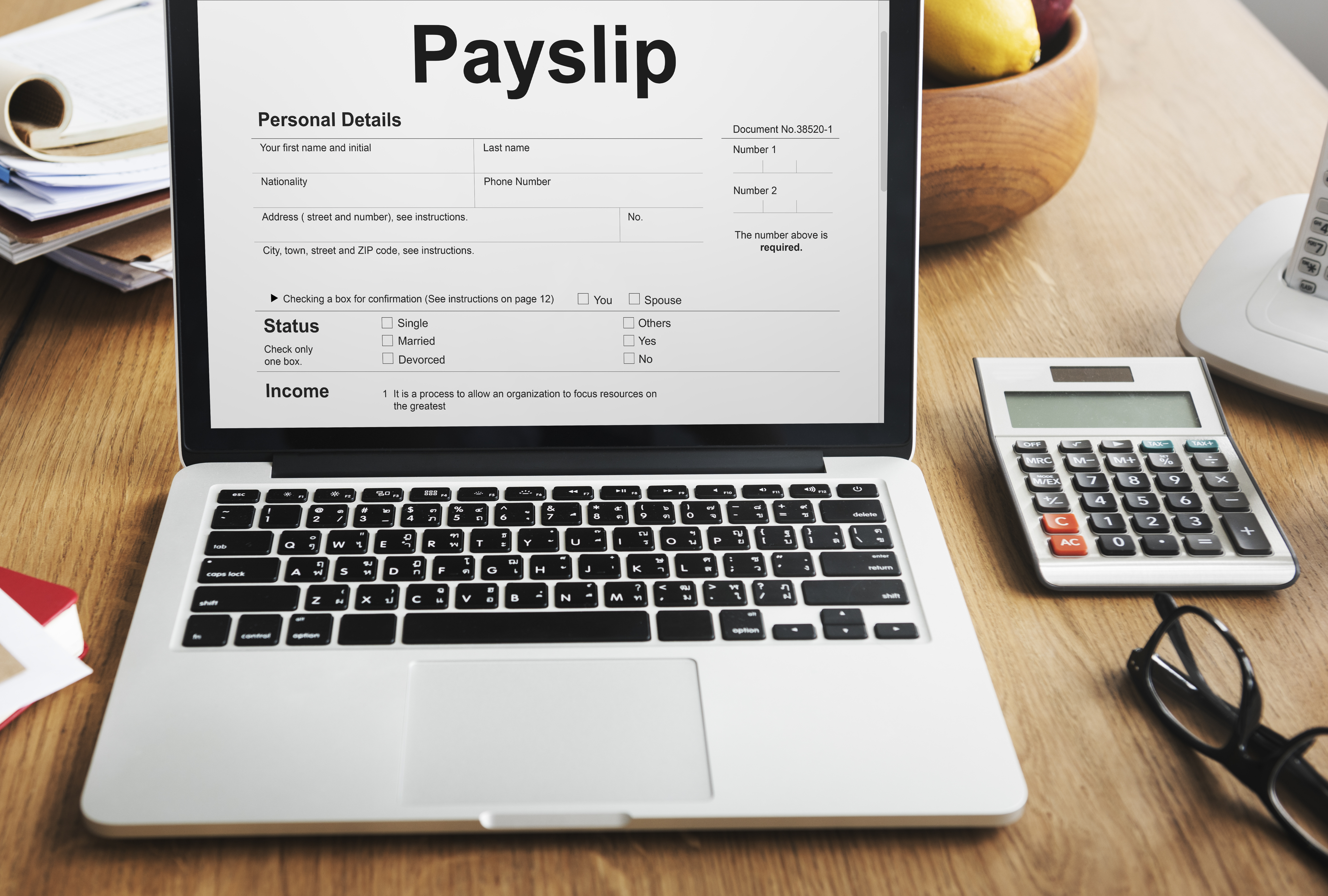
Payroll compliance checkups help businesses confirm that their payroll systems are accurate, up to date, and aligned with current tax and labor regulations. These reviews identify hidden errors in areas like employee classification, tax withholding, and benefits administration before they become costly problems. By taking a proactive approach, businesses can improve payroll accuracy and reduce compliance risks. For firms focused on accounting and tax planning, regular payroll reviews are a practical way to support long-term financial stability.
Why Payroll Accuracy Matters for Every Business
Handling payroll is a critical part of running any organization. Employees rely on timely and correct compensation, while employers must comply with evolving tax rules and wage laws. Even minor payroll mistakes can lead to penalties, strained employee relationships, or unnecessary administrative burdens.
Because regulations frequently change, it is not always easy to know if your current payroll process still meets all requirements. Many businesses assume their system is working simply because payroll is processed regularly. However, issues such as incorrect classifications or outdated tax settings can remain unnoticed.
For businesses already focused on tax preparation and bookkeeping, payroll accuracy plays a direct role in overall financial reporting. Addressing issues early helps ensure payroll supports your broader accounting and business tax prep efforts rather than creating complications.
What Is a Payroll Compliance Checkup?
A payroll compliance checkup is a comprehensive review of your payroll operations to confirm alignment with current tax laws and labor regulations. Instead of reviewing a single component, it evaluates the entire payroll process to uncover inconsistencies or compliance gaps.
This process typically includes reviewing payroll records, employee data, tax filings, and internal policies. It also assesses whether payroll systems are calculating wages, deductions, and tax withholdings correctly.
The main objective is to catch and correct issues early. Whether your business focuses on individual tax prep, S-Corp taxes, or corporate taxes, maintaining compliant payroll practices helps avoid penalties and supports accurate reporting.
How a Payroll Compliance Checkup Works
The process begins by collecting key payroll documents. These may include payroll reports, employee records, tax forms such as W-2s or 1099s, and internal payroll policies. Having complete and organized records allows for a more effective review.
Next, these documents are evaluated against current federal, state, and local requirements. This step helps determine whether your payroll system is properly configured and whether your processes align with current regulations.
Several core areas are typically reviewed during a compliance check.
Employee Classification
One of the most important areas examined is worker classification. Businesses must correctly distinguish between employees and independent contractors based on legal guidelines. Misclassification can lead to significant tax and reporting issues.
Ensuring proper classification supports accurate payroll reporting and reduces compliance risks. This is especially important for businesses managing S-Corp taxes or corporate taxes, where classification impacts filings and liabilities.
Tax Withholding and Payroll Tax Deposits
A compliance review also verifies that the correct taxes are being withheld from employee paychecks. This includes federal, state, and local taxes, along with confirming that deposits are submitted on time.
Errors in withholding or late payments can result in avoidable penalties. Regular reviews help businesses stay aligned with tax planning strategies and maintain accurate financial records.
Overtime Pay Requirements
Another key focus is overtime compensation. Payroll data is reviewed to confirm that overtime hours are calculated correctly and paid according to applicable wage laws.
Even well-established payroll systems can develop errors over time if settings are not updated. Regular reviews help ensure compliance and prevent underpayment or overpayment issues.
Employee Benefits Administration
Benefits management is another essential component of payroll compliance. This includes reviewing deductions for health insurance, retirement contributions, and paid leave, as well as employer contributions.
Accurate benefits administration ensures employees receive expected coverage and deductions. It also supports consistency across payroll records, which is important for bookkeeping and overall accounting accuracy.
Why Payroll Compliance Reviews Are Important
Payroll compliance checkups offer more than regulatory protection. They help strengthen internal processes and support overall financial health. Businesses that conduct regular reviews are better positioned to identify and resolve issues early.
One of the biggest advantages is reducing the risk of penalties. Payroll errors involving taxes, reporting, or classification can become costly if left unresolved. Addressing them early is far more efficient than correcting them after an audit.
These reviews also improve employee trust. Accurate and timely pay builds confidence and reduces the likelihood of disputes. A reliable payroll system contributes to a more positive workplace experience.
In addition, staying current with changing laws is essential. Payroll regulations continue to evolve, and periodic reviews help ensure your processes remain aligned with current requirements. This is especially valuable for organizations engaged in ongoing tax planning or quarterly tax planning strategies.
Key Areas to Evaluate Regularly
While every organization has unique needs, several payroll components should be reviewed consistently. These areas help ensure compliance and accuracy across your payroll system.
- Review worker classifications to confirm employees and contractors are categorized correctly.
- Verify tax withholdings and confirm payroll tax deposits are submitted accurately and on schedule.
- Check overtime calculations to ensure employees are compensated according to wage laws.
- Evaluate payroll reports, filings, and system settings for accuracy and consistency.
- Confirm benefit deductions and contributions are processed correctly.
Even businesses using third-party payroll providers should perform periodic reviews. This ensures that payroll configurations reflect current pay structures, benefit plans, and compliance requirements.
What Happens After the Review?
Once the compliance check is complete, identified issues can be prioritized and addressed. Some updates may be simple, such as adjusting payroll settings or correcting deduction errors. Others may involve updating procedures or filing corrections.
Taking action promptly helps reduce future risks and improves overall payroll efficiency. It also ensures your payroll system supports broader accounting, bookkeeping, and tax preparation efforts.
A payroll compliance checkup is more than a routine task. It is an opportunity to strengthen your systems, improve accuracy, and maintain compliance. By addressing issues early and keeping processes up to date, businesses can operate with greater confidence and fewer disruptions.
For organizations managing business tax prep, nonprofit tax exemption requirements, or exempt organizations, maintaining compliant payroll processes is especially important. Regular reviews help ensure your payroll system aligns with your overall financial and tax strategy.